
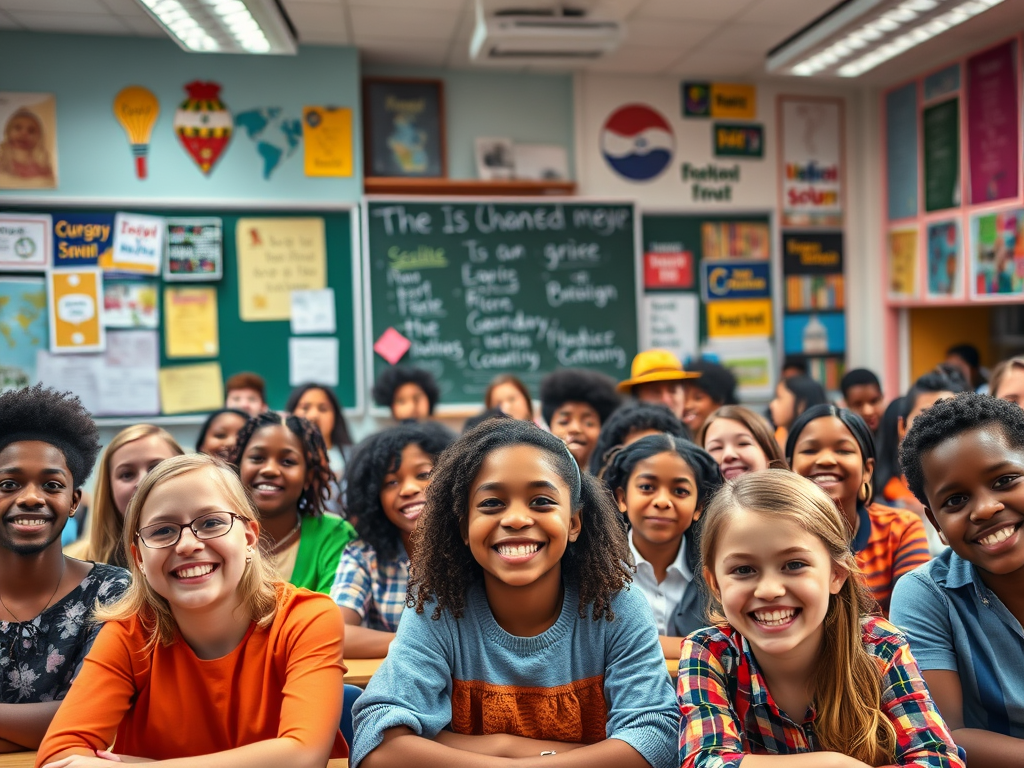
Bridging the Gap: Connection is the Essence of Education
Education is more than just textbooks, lectures, and exams. At its core, it is about connection—bridging students’ experiences, cultures, and identities with what they learn in the classroom. Paolo Freire wrote about this decades ago in Brazil. Understanding the phenomenon of connection is tremendously important for teachers who wish to find success in today’s world. I recently got an opportunity to think about this as I prepared to deliver a professional learning session for colleagues. For Hispanic and Latino students in urban areas, making these connections is not just important. It is essential for academic success. It is also crucial for personal growth and long-term achievement.
The Need for Representation in the Curriculum
In my formative years I almost always walked into a classroom where none of the stories, history, or cultural references reflected my identity. For many Hispanic and Latino students, this is a daily reality. When students do not see themselves in the curriculum, they may feel disconnected. This can lead to disengagement from their education. Conversely, when students come across literature, history, and perspectives that reflect their own experiences, they may develop a stronger sense of belonging and motivation to learn.
Research consistently shows that culturally responsive teaching results in higher academic performance. It also leads to improved self-esteem and increased engagement. When teaching Shakespeare, include the contributions of Miguel Cervantes de Saavedra to the world of literature. His novel Don Quixote holds a place among the highest selling books in history. When Hispano/Latino/Chicanx students read literature by authors like Sandra Cisneros or Gary Soto, they see that their voices and experiences matter. When they study historical figures such as Dolores Huerta and César Chávez, it reinforces this recognition. Analyzing contemporary issues affecting their communities also contributes to this understanding.
I don’t want to suggest that by merely putting Chicanx (U.S. born or based Hispanos/Latinos) in front of materials that are diverse that magically they will do better. Making connections between learners and content also requires a healthy connection with the teacher. The teacher should use their experience to connect with students. This helps as they connect with the material. That connection should serve to motivate students to engage in learning activities. That engagement will lead students to see themselves as successful learners.
Strengthening Teacher-Student Relationships
Beyond the curriculum, genuine relationships between teachers and students play a crucial role in fostering success. Teachers who make the effort to understand and acknowledge the cultural backgrounds of their students create learning environments where students feel valued and respected. When educators take time to learn about students’ traditions, linguistic diversity, and family structures, they not only build rapport but also strengthen students’ trust and willingness to engage.
Successful teachers will use every tool in their tool box. A key tool is information, what we will call knowledge going forward. Knowledge of the content, the students as individuals, the students as a group, and using that knowledge to motivate and encourage students coupled with data that shows students that we are prepared to help them on their learning journey. When we have access to and are able to use data points to closely evaluate where students should focus their time and energy, teachers gain the trust of students. That trust is rooted in the relationship that the successful teacher has developed with students in consistently demonstrating that the teacher has the tools, the desire, and the wherewithal to dig deep for growth and understanding.
The Impact on Academic Success
When Chicanx (U.S. born or based Hispano/Latino) students feel connected to their education, the impact extends far beyond the classroom. Studies have found that students who feel a sense of belonging in school are more likely to excel academically. Cultural affirmation further ensures they graduate on time. It also motivates them to pursue higher education. They are also more likely to develop critical thinking skills and confidence in their abilities.
In my practice as a classroom teacher involved in educational research, I have found that the confidence developed in one area of a person’s life can transfer to other parts. I teach social science, and yet one of my key focuses is to support students in the development of their reading comprehension. My theory is that when students are stronger readers, they will be stronger students, and they will thus have more success with my curriculum. Of course, that curriculum is rooted in cultural responsiveness, and I make it a point to develop strong relationships with my students. When students are able to find success in my classroom, they have developed the confidence to learn and to advance in other areas of their lives. It is of course a difficult thing to measure, but lately I have noticed that many of my former students are consistently taking on leadership roles on our campus. This is giving me the confidence and motivation to write this blog post and lead from a broader stage beyond my classroom.
Taking Action: How Educators Can Foster Connection
- Incorporate Culturally Relevant Materials – Use literature, historical narratives, and examples that reflect Chicanx (U.S. born/based Hispano/Latino) contributions to society at a deeper level than just the additive.
- Encourage Student Voice – Allow students to share their experiences and perspectives through discussions, writing assignments, and projects.
- Celebrate Cultural Heritage – Recognize and honor Chicanx (U.S. born/based Hispano/Latino heritage through classroom activities, guest speakers, and community involvement.
- Build Relationships – Take the time to learn about students’ backgrounds, families, and aspirations.
- Advocate for Inclusive Policies – Support school policies that promote diversity, equity, and inclusion in curriculum development and instructional practices.
Conclusion
One of the conclusions I arrived at in completing my doctoral dissertation was that education is most powerful when it reflects and respects the identities of all students. By ensuring that Chicanx (U.S. born or based Hispano/Latino) students in urban areas see themselves in the curriculum and feel a strong connection with their teachers, we can empower them to reach their full potential. When students feel valued and included, they don’t just succeed in school—they thrive in life.
I, for one, plan to continue working toward an educational system where every student, regardless of background, sees their story as part of the larger narrative of learning and success.
You must be logged in to post a comment.