
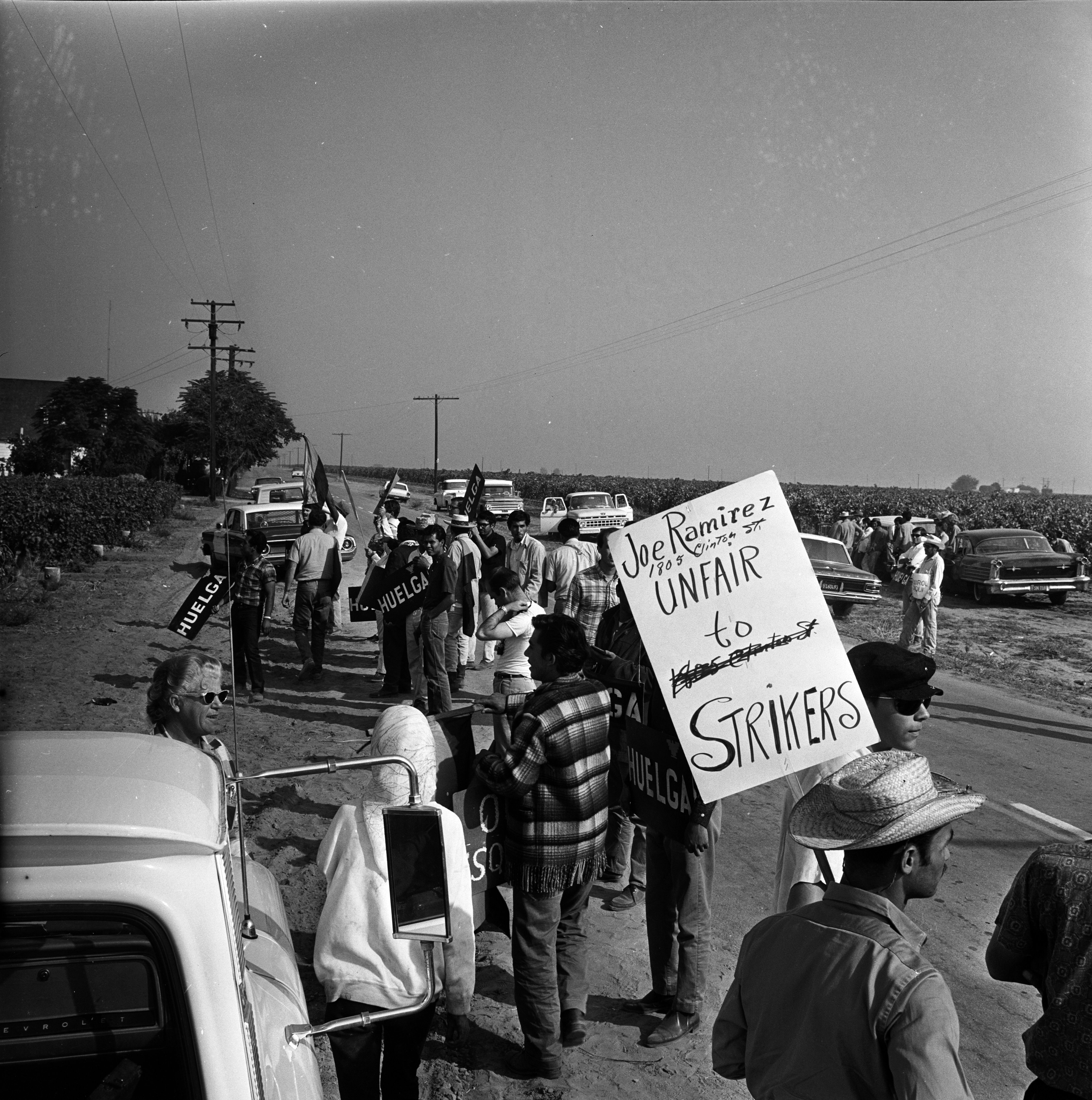
This week was meant to be a time of recognition and celebration. At Capacitando.org, we had planned to honor Cesar Chavez and the United Farm Workers for their role in uplifting the spirit of the Chicano community—sparking a movement that told our people that it was not only acceptable, but necessary, to stand up for themselves.
That movement mattered. It gave voice to the voiceless. It brought dignity to labor. It helped shape a generation of activism rooted in community, sacrifice, and collective power.
But history is not always simple. And leadership is not always without contradiction.
Recent revelations and discussions about alleged abuse connected to Chávez’s legacy have introduced a deep sense of heartbreak, confusion, and reflection for many in our community. For those of us who grew up seeing him as a symbol of resistance and pride, this moment is not easy. It forces us to sit with two truths at once: the impact of a movement that changed lives, and the pain of those who may have been harmed within it.
As a classroom teacher, I had the opportunity to engage my students in conversation about this very issue. One student shared something that has stayed with me: “I hate that this came out now, because it feeds into the narrative of those who call us rapists.”
That statement speaks volumes. It reflects the weight our young people carry—not just processing history, but navigating how that history is used against them. It also reveals a deeper tension: the fear of losing one of the few widely recognized icons of our community.
And yet, this is exactly where our values are tested.
As much as we may feel the urge to protect the image of a leader, it is more important—always more important—that we honor and respect the victims of any harm or abuse. Silence does not protect our community. Accountability does. Listening does. Standing with those who have the courage to speak does.
In that sense, it is fitting—powerful, even—that women are standing up and making their voices heard. The very movement that once encouraged people to demand dignity and justice has, in this moment, come full circle. The call to stand up for oneself did not end in the fields—it continues today.
At Capacitando.org, we stand with those voices.
We also take this moment to widen the lens. The farmworker movement was never the work of one individual. It was built by thousands—by organizers, families, elders, and young people. It was shaped by leaders like Dolores Huerta, by Filipino farmworkers like Larry Itliong, and by countless others whose names are too often left out of the story. The strength of the movement has always been its people.
This moment is an inflection point—if not a reflection point—for our community.
It asks us to consider what it means to grow. To move away from systems and traditions rooted in machismo. To create a culture where accountability is not seen as betrayal, but as a necessary step toward healing. To ensure that the next generation inherits not just stories of resistance, but models of integrity.
We do not lose our history by telling the truth about it.
We strengthen it.
And as we move forward, we remain committed to uplifting the voices that matter most—the people, the community, and those who continue to work for justice with courage and conviction.


Cuando el Movimiento Es Más Grande Que el Hombre: Un Momento de Reflexión para Nuestra Comunidad
Esta semana estaba destinada a ser un tiempo de reconocimiento y celebración. En Capacitando.org, habíamos planeado honrar a Cesar Chavez y a los Trabajadores Agrícolas Unidos por su papel en elevar el espíritu de la comunidad chicana, impulsando un movimiento que decía que no solo era aceptable, sino necesario, defenderse y exigir respeto.
Ese movimiento importaba. Dio voz a quienes no la tenían. Dio dignidad al trabajo. Ayudó a formar a una generación de activismo arraigada en la comunidad, el sacrificio y el poder colectivo.
Pero la historia no siempre es sencilla. Y el liderazgo no siempre está libre de contradicciones.
Las revelaciones recientes y las discusiones sobre presuntos abusos relacionados con el legado de Chávez han generado un profundo sentimiento de tristeza, confusión y reflexión para muchos en nuestra comunidad. Para quienes crecimos viéndolo como un símbolo de resistencia y orgullo, este momento no es fácil. Nos obliga a enfrentar dos verdades a la vez: el impacto de un movimiento que cambió vidas y el dolor de quienes pudieron haber sido dañados dentro de él.
Como docente, tuve la oportunidad de conversar con mis estudiantes sobre este tema. Una estudiante compartió algo que se ha quedado conmigo: “Odio que esto haya salido ahora, porque alimenta la narrativa de los que nos llaman violadores.”
Esa declaración dice mucho. Refleja el peso que llevan nuestros jóvenes, no solo procesando la historia, sino también navegando cómo se usa esa historia en su contra. También revela una tensión más profunda: el miedo a perder uno de los pocos íconos ampliamente reconocidos de nuestra comunidad.
Y, sin embargo, aquí es donde se prueban nuestros valores.
Por mucho que sintamos el impulso de proteger la imagen de un líder, siempre es más importante honrar y respetar a las víctimas de cualquier daño o abuso. El silencio no protege a nuestra comunidad. La rendición de cuentas sí. Escuchar sí. Estar al lado de quienes tienen el coraje de hablar sí.
En ese sentido, es apropiado—poderoso incluso—que las mujeres estén alzando su voz y haciéndose escuchar. El mismo movimiento que en su momento alentó a las personas a exigir dignidad y justicia ha vuelto, en este momento, a cerrar el círculo. El llamado a defenderse no terminó en los campos; continúa hoy.
En Capacitando.org, estamos con esas voces.
También aprovechamos este momento para ampliar la perspectiva. El movimiento de los trabajadores agrícolas nunca fue obra de un solo individuo. Fue construido por miles: organizadores, familias, ancianos y jóvenes. Fue moldeado por líderes como Dolores Huerta, por trabajadores agrícolas filipinos como Larry Itliong y por muchos otros cuyos nombres a menudo quedan fuera de la historia. La fuerza del movimiento siempre ha estado en su gente.
Este momento es un punto de inflexión, si no de reflexión, para nuestra comunidad.
Nos invita a considerar lo que significa crecer. A alejarnos de sistemas y tradiciones arraigadas en el machismo. A crear una cultura donde la rendición de cuentas no se vea como traición, sino como un paso necesario hacia la sanación. A asegurarnos de que la próxima generación herede no solo historias de resistencia, sino también modelos de integridad.
No perdemos nuestra historia al decir la verdad sobre ella.
La fortalecemos.
Y mientras avanzamos, seguimos comprometidos a elevar las voces que más importan: las personas, la comunidad y quienes continúan luchando por la justicia con valentía y convicción.
You must be logged in to post a comment.